
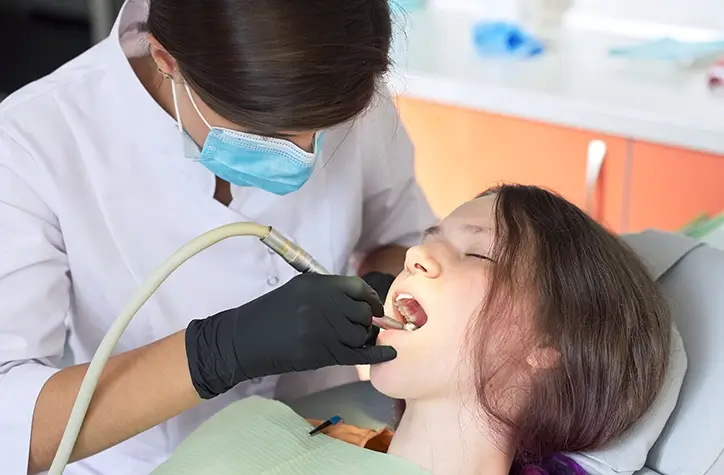
Sedation dentistry isn’t just for people with severe dental phobia. While it certainly helps patients with extreme anxiety, many others can benefit from sedation options that make dental care more comfortable, efficient, and accessible. At Holladay Dental Studio, Dr. Andrew Ericksen helps patients determine whether sedation dentistry makes sense for their unique situation.
Understanding the signs that you might be a good candidate for sedation can help you make informed decisions about your dental care. This comprehensive guide explores who benefits from sedation dentistry, what signs indicate you might want to consider it, and how to determine if it’s the right choice for you.
Common Signs You Might Benefit from Sedation Dentistry
Several indicators suggest that sedation dentistry could significantly improve your dental experience.
Physical Anxiety Symptoms Before or During Dental Appointments
If you experience physical manifestations of anxiety related to dental visits, sedation can help. These symptoms include:
Rapid heartbeat or palpitations when you think about going to the dentist or while sitting in the waiting room. This racing heart is your body’s fight-or-flight response activating, and it can make dental visits feel overwhelming.
Sweating, especially in your palms or on your forehead, even though the dental office is comfortably climate-controlled. This stress sweat differs from normal perspiration and signals significant anxiety.
Trembling or shaking hands that you can’t control. Some patients find their hands shake so much they have trouble filling out paperwork or holding a cup of water.
Nausea or stomach upset triggered by the thought or reality of dental appointments. Some patients feel sick for days before a scheduled visit.
Difficulty breathing or a tight chest that makes you feel like you can’t get enough air. This sensation can be frightening and is a common anxiety symptom.
Dizziness or lightheadedness when you think about dental procedures or sit in the dental chair.
These physical symptoms aren’t just uncomfortable. They can make it genuinely difficult for your dentist to work effectively. If your body is tense and your jaw is clenched due to anxiety, it’s harder for the dentist to access your teeth properly. Sedation relaxes your muscles and calms your nervous system, making treatment easier for everyone involved.
Avoiding Dental Care Due to Fear
Perhaps the strongest sign that you might benefit from sedation dentistry is if you’re avoiding necessary dental care because of anxiety or fear. According to research published in the Journal of the American Dental Association, dental anxiety is one of the primary reasons people delay or avoid dental treatment altogether.
If you find yourself making and then canceling appointments, you’re likely struggling with dental anxiety that sedation could address. If years pass between dental visits even though you know you should go more regularly, sedation dentistry might be the key to getting back on track. If you have known dental problems but keep postponing treatment, sedation can help you finally address these issues.
Avoidance creates a harmful cycle. The longer you avoid the dentist, the more dental problems you develop. More problems mean more extensive treatment becomes necessary, which increases anxiety further and reinforces avoidance behavior. Sedation dentistry breaks this cycle by making it possible to receive care comfortably, even when procedures are complex.
Previous Negative Dental Experiences
Past traumatic dental experiences create lasting anxiety for many patients. If you have memories of painful procedures, experienced complications during past dental work, felt dismissed or judged by a previous dentist, or had dental treatment as a child that frightened you, you’re carrying psychological baggage that affects every future dental visit.
These memories aren’t just unpleasant thoughts you can decide to forget. They create genuine psychological conditioning. Your brain learned that dental visits equal pain, fear, or distress, and now it triggers anxiety responses whenever you face dental care.
Sedation dentistry helps by creating new, positive experiences that can gradually counteract old negative memories. When you complete dental treatment while comfortably sedated and realize it wasn’t the ordeal you feared, you begin to rebuild your relationship with dental care.
Strong Gag Reflex
A sensitive gag reflex makes dental work genuinely challenging for both patient and dentist. If dental instruments, X-ray sensors, or even the thought of items in your mouth triggers your gag reflex, sedation can help tremendously.
Gagging during dental treatment isn’t just uncomfortable. It makes it difficult or impossible for your dentist to work effectively. X-rays can’t be taken if you can’t tolerate the sensor in your mouth. Impressions for crowns or dentures may be impossible. Even routine cleanings become challenging when you’re gagging repeatedly.
Sedation significantly reduces or eliminates the gag reflex. Under oral or IV sedation, most patients find they can easily tolerate procedures that would normally trigger gagging. Even lighter sedation with nitrous oxide often helps calm an overactive gag reflex.
Difficulty Getting Numb
Some patients have trouble achieving adequate numbness from local anesthetics. If you’ve ever told your dentist “I can still feel that” despite multiple injections, you understand how frustrating and frightening this situation can be.
Several factors can make numbing difficult:
High anxiety increases your pain sensitivity and can interfere with how well local anesthetics work. When you’re anxious, your body is in a heightened state of alert, and pain signals seem stronger.
Certain dental infections, particularly in the lower jaw, can create an acidic environment that reduces local anesthetic effectiveness.
Some people simply metabolize local anesthetics faster than average, meaning the numbing effect wears off more quickly.
Individual anatomy, like unusually positioned nerves, can make achieving complete numbness more challenging.
Sedation doesn’t replace local anesthesia, but it works synergistically with it. When you’re relaxed and calm from sedation, your perception of pain changes. Local anesthetics work more effectively when your anxiety isn’t interfering. Even if you feel something during the procedure, sedation means you’re less bothered by it or may not remember it afterward.
Needing Extensive Dental Work
If you require multiple procedures, sedation dentistry offers significant practical benefits beyond anxiety management.
Completing extensive dental work often requires multiple appointments when done without sedation. Each appointment means time off work, arranging childcare, and experiencing pre-appointment anxiety. For patients who have avoided dental care for years and now face substantial treatment needs, the prospect of months of appointments can feel overwhelming.
Sedation dentistry, particularly oral or IV sedation, allows Dr. Ericksen to complete multiple procedures in a single appointment. What might normally take four or five visits can often be consolidated into one or two sedated sessions. This approach means fewer days disrupted by dental appointments, faster completion of your treatment plan, and less overall anxiety since you face fewer separate appointment days.
Special Needs or Conditions That Make Dental Care Challenging
Certain conditions make traditional dental care particularly difficult:
Autism spectrum disorders often involve sensory sensitivities that make the sights, sounds, textures, and smells of a dental office overwhelming. The bright lights, the sound of the drill, the feeling of water and instruments in the mouth, and the clinical smell of the office can be deeply distressing.
Anxiety disorders including generalized anxiety disorder, panic disorder, or PTSD can make any medical or dental appointment trigger significant distress.
Physical disabilities that make it difficult to sit comfortably for extended periods or control body movements. Some patients with movement disorders find it challenging to sit still enough for dental work.
Cognitive disabilities that make it hard to understand what’s happening or follow instructions during dental procedures.
Severe ADHD that makes sitting still for dental appointments very challenging.
For patients with these conditions, sedation dentistry isn’t about convenience. It’s about access. It makes receiving necessary dental care possible when it might otherwise be impossible or extremely traumatic.
Holladay Dental Studio welcomes patients with special needs and works to provide appropriate accommodations, including sedation options that can make dental care accessible and comfortable.
Time Constraints and Busy Schedules
This reason might seem less serious than dental phobia, but it’s valid nonetheless. If your life is genuinely busy with work, family, and other obligations, the ability to complete substantial dental work in fewer appointments through sedation dentistry can be extremely valuable.
Consider someone who runs their own business and can’t easily take time away, parents with young children where arranging childcare for multiple dental appointments creates significant stress, or professionals whose schedules make regular dental appointments challenging to fit in.
For these patients, choosing sedation for major dental work isn’t about fear. It’s about efficiency and practicality. Condensing multiple appointments into one or two sedated sessions means less disruption to their lives.
Fear of Needles
Needle phobia affects an estimated 10% of Americans, and in dental settings, it often manifests as fear of anesthetic injections.
Interestingly, sedation can help with needle phobia in several ways:
Nitrous oxide doesn’t require any injection. The sedation is delivered through a nasal mask, and while you’ll still receive local anesthetic injections, the relaxation from nitrous oxide makes these injections far less distressing.
With oral sedation, you take a pill at home, and by the time you arrive at the dental office, you’re so relaxed that the anesthetic injections barely register as concerning.
With IV sedation, there is an initial needle stick to place the IV line, but once you’re sedated, you won’t remember or care about any additional injections. Some patients with needle phobia find that their fear of the IV needle is manageable because they know it will result in them not caring about anything else.
Difficulty Sitting Still for Extended Periods
Some patients simply struggle to sit still, whether due to physical discomfort, restlessness, anxiety, or conditions like ADHD or chronic pain. Dental appointments require you to sit relatively still with your mouth open, often for 30 minutes or longer for some procedures.
If you find it physically or mentally difficult to hold still that long, sedation can help. Particularly with oral or IV sedation, you’ll feel so relaxed that sitting still becomes effortless. Time passes without the usual feeling of restlessness or impatience.
Sensitive Teeth or Low Pain Threshold
If you have naturally sensitive teeth or a low pain tolerance, even procedures that aren’t typically painful can feel uncomfortable. Things like cleanings, tooth sensitivity during cleaning, or minor procedures can feel more painful to you than they would to someone with an average pain threshold.
Sedation changes your pain perception. While local anesthetics numb the physical sensation, sedation affects how your brain processes and responds to any sensations you do feel. Under sedation, stimuli that might normally register as painful or uncomfortable may barely bother you or might not be processed by your conscious awareness at all.
Benefits That Apply to Many Patients
Even if you don’t have severe dental anxiety, sedation dentistry offers benefits worth considering:
Reduced appointment stress: Even patients with mild anxiety often find dental visits somewhat stressful. Sedation removes that stress entirely, making appointments easier to anticipate and attend.
More efficient treatment: When you’re relaxed and comfortable under sedation, your dentist can work more efficiently. There’s no need to pause repeatedly to let you rest your jaw, take breaks, or manage anxiety.
Better treatment outcomes: When patients are comfortable, dentists can perform more precise work. You’re not moving, tensing, or reacting, which allows for better clinical results.
Less memory of procedures: For many patients, even if a procedure isn’t painful, the memory of it is unpleasant. Not remembering your dental work can be a significant psychological benefit.
Reduced muscle soreness: Anxiety causes muscle tension. Patients often leave dental appointments with sore jaws, necks, or shoulders from tensing during treatment. Sedation keeps you relaxed, preventing this muscle fatigue.
When Sedation Might Not Be Necessary
To provide balance, it’s worth noting that sedation dentistry isn’t necessary for everyone:
If you have no anxiety about dental visits and can comfortably sit through procedures, you may not need sedation.
For very short, simple procedures where you’re comfortable, nitrous oxide or no sedation might be perfectly adequate.
Some patients prefer to be fully aware during all dental treatment and don’t want their alertness or memory affected.
Children who are comfortable with dental visits may not need sedation for routine care.
The decision about sedation should be individualized based on your needs, preferences, and circumstances.
Making the Decision: Questions to Ask Yourself
Consider these questions to help determine if you might benefit from sedation dentistry:
Do you experience physical anxiety symptoms when thinking about or attending dental appointments?
Have you avoided dental care for years due to fear or anxiety?
Do you have dental problems you know need treatment but haven’t addressed?
Does a strong gag reflex make dental procedures difficult?
Do you need extensive dental work that would require multiple appointments without sedation?
Have you had negative dental experiences in the past that still affect you?
Do you have special needs that make traditional dental care challenging?
Would being able to complete dental work in fewer appointments significantly improve your life?
If you answered yes to one or more of these questions, sedation dentistry is worth discussing with Dr. Ericksen.
Taking the Next Step: Consultation at Holladay Dental Studio
The best way to determine if you’re a good candidate for sedation dentistry is to schedule a consultation at Holladay Dental Studio. During this appointment:
Dr. Ericksen will review your medical history to ensure sedation is safe for you. Certain medical conditions may affect which sedation options are appropriate.
You’ll discuss your anxiety level, dental history, and specific concerns.
The team will explain the available sedation options and recommend approaches that match your needs.
You can ask questions about how sedation works, what to expect, and any other concerns you have.
Together, you’ll create a plan for your dental care that includes the appropriate level of sedation for your comfort.
This consultation is judgment-free. Dental anxiety is extremely common, and the team at Holladay Dental Studio has extensive experience helping anxious patients. You won’t be made to feel embarrassed or silly about your concerns.
Safety Considerations
When considering sedation dentistry, safety is naturally a concern. The good news is that sedation dentistry, when properly administered, is very safe.
At Holladay Dental Studio, sedation is only provided after a thorough health evaluation. Dr. Ericksen carefully reviews your medical history, current medications, and any health conditions that might affect sedation safety.
During sedated procedures, appropriate monitoring takes place. With oral and IV sedation, your vital signs are tracked to ensure you remain stable throughout your treatment.
Sedation medications used in dentistry have been refined over decades of use and have excellent safety profiles when properly administered.
Most complications from dental sedation are minor and easily managed, such as temporary grogginess, mild nausea, or dizziness during recovery.
Serious complications are extremely rare, particularly when patients follow pre-procedure instructions and disclose accurate medical information.
Financial Considerations
Cost can be a factor in deciding about sedation dentistry. While sedation does add to the cost of your dental treatment, consider these points:
The cost of sedation should be weighed against the value of actually receiving necessary dental care rather than continuing to avoid it.
If sedation allows multiple procedures to be completed in one appointment rather than requiring several separate visits, you save time and may save money on multiple appointment fees.
Many patients find that paying a bit more for sedation is worthwhile for the significant reduction in stress and anxiety.
Holladay Dental Studio offers flexible payment options and an in-house membership plan that can make dental care, including sedation, more affordable.
Some dental insurance plans cover sedation when deemed medically necessary. The administrative team can help you understand your coverage.
Stories of Transformation
Many patients who initially hesitate about sedation dentistry later wish they had tried it sooner. Common refractions include:
Relief at finally addressing dental problems that had been causing pain or embarrassment for years.
Surprisingly, the experience was so much more comfortable than expected.
Reduced anxiety about future dental appointments after experiencing how well sedation worked.
Improved confidence from having a healthier smile after completing necessary dental work.
These transformations happen every day at Holladay Dental Studio. Patients who avoided dental care for five, ten, or even twenty years find that sedation makes it possible to get back on track with their oral health.
Your Journey to Comfortable Dental Care
If you recognize yourself in any of the signs discussed in this article, sedation dentistry might be exactly what you need to overcome barriers to dental care. You deserve to have a healthy smile without fear, stress, or avoidance.
At Holladay Dental Studio, Dr. Andrew Ericksen and his team have helped countless patients discover that dental care can be comfortable and even pleasant when appropriate sedation is used. Serving Holladay, Salt Lake City, Cottonwood Heights, Millcreek, and Murray, the practice combines sedation options with a genuine commitment to patient comfort and dignity.
The first step is often the hardest: making the decision to call and schedule a consultation. But once you take that step, you’ll find a welcoming team ready to listen to your concerns and work with you to find solutions.
Don’t let another year pass with untreated dental problems or ongoing anxiety about dental care. The solution exists, and it’s more accessible than you might think.
Call Holladay Dental Studio today at 801-277-9213 to schedule your consultation. Discuss your concerns openly, learn about your sedation options, and discover how comfortable dental care can be.
For a comprehensive overview of everything you need to know about overcoming dental anxiety and accessing comfortable care, explore our complete guide on overcoming dental anxiety in Holladay.Your oral health matters. Your comfort matters. And at Holladay Dental Studio, you matter. Take the first step toward anxiety-free dental care today.