
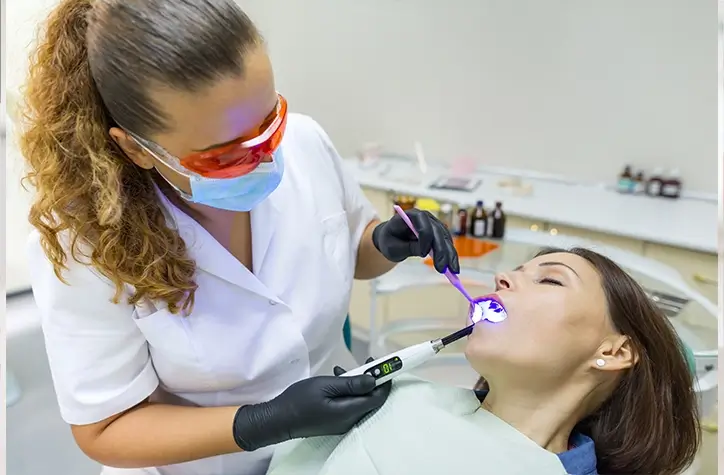
The decision to pursue sedation dentistry represents an important step in overcoming dental anxiety and accessing the care you need. But with multiple sedation options available, how do you choose the right one for your situation? At Holladay Dental Studio, Dr. Andrew Ericksen and his team help patients navigate these choices every day, matching sedation levels to individual needs, procedure complexity, and personal comfort preferences.
Understanding your options empowers you to make informed decisions about your dental care. This comprehensive guide breaks down each sedation option available at Holladay Dental Studio, explaining how they work, what you can expect, and which situations each option suits best.
The Spectrum of Dental Sedation
Sedation dentistry exists on a continuum from minimal sedation (where you’re relaxed but fully awake) to general anesthesia (where you’re completely unconscious). Most dental offices, including Holladay Dental Studio, offer several points along this spectrum, allowing patients to choose the level of sedation that matches their anxiety level and the nature of their dental procedure.
It’s important to understand that sedation dentistry doesn’t replace local anesthesia. Even when sedated, you’ll still receive numbing injections to ensure you don’t feel pain during your procedure. What sedation does is address the anxiety and emotional distress associated with dental visits, making the entire experience more comfortable and manageable.
The American Dental Association recognizes several levels of sedation, each with distinct characteristics and appropriate applications. Let’s explore each option available at Holladay Dental Studio in depth.
Nitrous Oxide Sedation: The Gentle Anxiety Reliever
Nitrous oxide, affectionately known as “laughing gas,” has been used safely in dentistry for over 150 years. Despite its long history, many patients have questions about how it works and what to expect.
How Nitrous Oxide Works
When you choose nitrous oxide sedation, a small mask will be placed over your nose. This mask delivers a carefully controlled mixture of nitrous oxide and oxygen that you breathe normally throughout your procedure. Within just a few minutes, the gas begins to take effect.
Nitrous oxide works by slowing down your body’s reaction time and inducing a pleasant feeling of relaxation and mild euphoria. Patients often describe feeling light, warm, or slightly tingly. Some report a floating sensation. These effects create a psychological distance from the anxiety that might otherwise make dental treatment uncomfortable.
Importantly, nitrous oxide doesn’t put you to sleep. You remain fully conscious, aware of your surroundings, and able to respond to questions or instructions from Dr. Ericksen and his team. You can hear conversations, you’ll know what’s happening, and you can communicate any discomfort or need for a break.
The Benefits of Nitrous Oxide
Several factors make nitrous oxide an attractive option for many patients:
Rapid onset and offset mean the effects begin within minutes of putting on the mask and end almost immediately when the mask is removed. At the end of your procedure, you’ll breathe pure oxygen for a few minutes to clear any remaining nitrous oxide from your system, and then you’re free to resume normal activities.
Adjustable sedation levels allow the dental team to fine-tune your comfort throughout the procedure. If you feel you need deeper relaxation, the concentration can be increased. If you feel too drowsy, it can be decreased.
No needles required for the sedation itself, making this option particularly appealing for patients with needle phobia. You will still receive local anesthetic injections to numb the treatment area, but many patients find that the relaxation from nitrous oxide makes even these injections far less bothersome.
Drive yourself home afterward, since the effects wear off so quickly. Unlike other sedation options that require someone else to drive you, nitrous oxide allows you to maintain your independence and schedule.
Suitable for almost everyone, nitrous oxide has very few contraindications. Most patients, including children, can safely use nitrous oxide sedation.
What Nitrous Oxide Feels Like
Patient experiences with nitrous oxide vary somewhat, but common descriptions include:
A tingling sensation in the hands and feet that many find pleasant rather than uncomfortable. A warm, relaxed feeling throughout the body, similar to the relaxation you might feel during a massage. Mild euphoria or happiness that can make patients smile or laugh gently, hence the nickname “laughing gas.” Some patients report that sounds seem distant or muffled. Others describe time passing more quickly than expected.
Some patients feel slightly dizzy or lightheaded, which is normal and not cause for concern. If you experience any unpleasant effects, simply let the dental team know and they can adjust the gas concentration immediately.
Best Candidates for Nitrous Oxide
Nitrous oxide works particularly well for:
Patients with mild to moderate dental anxiety who want to take the edge off their nervousness. Children and teenagers who need help staying calm and still during procedures. Patients undergoing relatively short procedures like fillings, crowns, or routine cleanings. Those who want to remain fully aware during their procedure but need help managing anxiety. Patients with needle phobia who need help tolerating the local anesthetic injections. Anyone who needs to drive themselves home after their appointment.
Limitations of Nitrous Oxide
While nitrous oxide offers many advantages, it’s not the right choice for every situation:
Patients with severe dental anxiety may find that nitrous oxide, while helpful, doesn’t provide enough sedation to make them truly comfortable. For very long or complex procedures, you might prefer deeper sedation that allows you to rest or doze rather than remaining aware throughout. Some medical conditions, including certain respiratory issues, COPD, or being in the first trimester of pregnancy, may make nitrous oxide inadvisable. Patients who can’t breathe comfortably through their nose due to congestion or structural issues may not be good candidates.
Oral Sedation: Deeper Relaxation Without an IV
Oral sedation provides a middle ground between the mild relaxation of nitrous oxide and the deeper sedation of IV medication. This option has grown increasingly popular among patients who need more help managing anxiety but prefer to avoid needles.
How Oral Sedation Works
With oral sedation, you’ll take a prescribed medication (typically from the benzodiazepine family, such as triazolam or diazepam) about an hour before your scheduled appointment. The medication is taken by mouth in pill form, making the process simple and straightforward.
By the time you arrive at Holladay Dental Studio, the medication will have begun to take effect. You’ll feel significantly more relaxed and drowsy than you would with nitrous oxide alone. Many patients describe feeling so relaxed that they don’t care what’s happening around them, even though they remain conscious.
The Experience of Oral Sedation
Under oral sedation, most patients:
Remain conscious throughout the procedure but feel extremely relaxed and drowsy. May doze off during the appointment, drifting in and out of light sleep. Can still respond to questions and follow instructions when prompted. Often have little to no memory of the procedure afterward, which many patients consider a significant benefit. Experience significantly reduced anxiety about the dental work being performed.
The level of sedation achieved with oral medication can vary from person to person based on factors like your weight, metabolism, anxiety level, and the specific medication and dose prescribed. Dr. Ericksen carefully considers these factors when determining the appropriate medication and dosage for each patient.
Benefits of Oral Sedation
Oral sedation offers several advantages:
Deeper sedation than nitrous oxide without the need for an IV, making it suitable for moderate to severe anxiety. No needles for sedation delivery, though you’ll still receive local anesthetic injections once you’re relaxed. Simple administration with just a pill to take at home before your appointment. Longer duration of effects compared to nitrous oxide, typically lasting several hours. This makes oral sedation ideal for longer appointments or multiple procedures. Memory suppression means many patients remember little to nothing about their procedure, which can be a psychological benefit for those with severe anxiety.
Important Considerations for Oral Sedation
Choosing oral sedation requires some planning and preparation:
Transportation is essential. You absolutely cannot drive yourself to or from your appointment. Arrange for a responsible adult to accompany you and stay with you until the effects wear off.
Clear your schedule. Plan to take the entire day off from work, school, and any other responsibilities. The effects typically last several hours, and you’ll need time to rest afterward.
Follow fasting instructions. Depending on the medication prescribed, you may need to avoid eating for several hours before your procedure. Follow the pre-appointment instructions provided by Holladay Dental Studio carefully.
Avoid alcohol and certain medications. For at least 24 hours before your appointment, avoid alcohol and any medications that interact with sedatives unless specifically approved by Dr. Ericksen.
Plan for recovery time. Most patients feel drowsy for several hours after their appointment. Have someone stay with you, plan to rest at home, and avoid any activities requiring alertness or coordination.
Best Candidates for Oral Sedation
Oral sedation works especially well for:
Patients with moderate to severe dental anxiety who find nitrous oxide insufficient. Those undergoing longer procedures or multiple treatments in one appointment. Patients who want minimal or no memory of their dental visit. Those who prefer to avoid IV needles and lines. Patients with a strong gag reflex that might make dental work difficult without deeper sedation. Anyone having procedures that might be uncomfortable or anxiety-inducing despite local anesthesia.
What You Can’t Do with Oral Sedation
The effects of oral sedation create some temporary limitations:
You can’t drive or operate machinery for at least 24 hours or until the effects completely wear off. You shouldn’t make important decisions or sign legal documents while sedated or during recovery. You can’t care for young children or engage in activities requiring full alertness. You should avoid alcohol and certain medications during the recovery period.
IV Sedation: The Deepest Level of Comfort
For patients with severe dental anxiety or those requiring extensive dental work, Holladay Dental Studio offers IV sedation on a limited basis. This option provides the deepest level of sedation available in a dental office setting.
How IV Sedation Works
With IV sedation, medications are delivered directly into your bloodstream through an IV line, typically placed in your arm or the back of your hand. While the initial needle stick is necessary to place the IV catheter, once in place, the sedation medication flows smoothly throughout your procedure without any additional injections.
The IV delivery method offers significant advantages. Medications take effect within seconds, and the sedation level can be precisely adjusted throughout your procedure. If you need deeper sedation, more medication can be administered immediately. If the procedure is finishing and you’re deeply sedated, the medication can be discontinued or reversed.
The IV Sedation Experience
Under IV sedation, you’ll experience profound relaxation:
Most patients have no memory of their procedure. Some patients fall completely asleep, while others drift in a twilight state between sleep and wakefulness. You can still respond to verbal commands and physical prompts, but you likely won’t remember doing so. Time passes without awareness, so even long procedures seem to take just moments. Anxiety disappears completely during the sedated state.
While IV sedation is sometimes called “sleep dentistry,” it’s technically not general anesthesia. You’re not completely unconscious, and your protective reflexes remain intact. However, your level of consciousness is significantly reduced.
Benefits of IV Sedation
IV sedation offers unique advantages:
Maximum anxiety relief for even the most severe dental phobias. Precise control over sedation depth throughout the procedure. Rapid onset of effects, usually within seconds of medication administration. Ability to complete extensive work in fewer appointments. Procedures that might normally require multiple visits can often be done in one session. Complete amnesia of the procedure for most patients. Controllable duration since medication can be adjusted or discontinued as needed.
Preparing for IV Sedation
IV sedation requires more preparation and planning than other sedation options:
Pre-procedure evaluation is necessary to ensure you’re a good candidate for IV sedation. This includes reviewing your medical history, current medications, and any health conditions.
Fasting requirements are strict. You’ll typically need to avoid food for 6-8 hours before your procedure and clear liquids for several hours. Specific instructions will be provided.
Medication review is essential. Certain medications may need to be adjusted or temporarily stopped before IV sedation. Discuss all medications and supplements you take with Dr. Ericksen.
Arrange reliable transportation and care. Someone must drive you to your appointment, stay at the office during your procedure (or be available to return), and take you home afterward. Plan for someone to stay with you for several hours after you get home.
Clear your entire day. You’ll be unable to work, care for children, or engage in any activities requiring alertness for at least 24 hours.
Best Candidates for IV Sedation
IV sedation is particularly beneficial for:
Patients with severe dental phobia or anxiety disorders. Those who have had traumatic dental experiences in the past. Patients undergoing extensive procedures like multiple extractions, full mouth reconstruction, or extensive restorative work. Those with special needs that make traditional dental care challenging. Patients with severe gag reflexes that make dental treatment difficult. Anyone who wants to complete substantial dental work in the fewest possible appointments.
Safety Considerations for IV Sedation
While IV sedation is safe when properly administered, it requires additional safeguards:
At Holladay Dental Studio, IV sedation is offered on a limited basis with appropriate monitoring equipment and trained staff. Throughout your procedure, your vital signs (heart rate, blood pressure, oxygen levels, and breathing) are continuously monitored.
Certain medical conditions may make IV sedation inadvisable or require special precautions. These include severe heart or lung disease, sleep apnea, obesity, pregnancy, and certain neurological conditions. During your consultation, Dr. Ericksen will carefully evaluate whether IV sedation is appropriate and safe for you.
Combining Sedation Methods
In some cases, Dr. Ericksen may recommend combining sedation methods for optimal comfort. The most common combination is nitrous oxide with oral sedation. This pairing provides the deeper relaxation of oral sedation enhanced by the anti-anxiety effects of nitrous oxide, which can also help if you feel any residual nervousness despite the oral medication.
Choosing the Right Option for You
Selecting the appropriate sedation level involves considering several factors:
Your anxiety level is the primary consideration. How severe is your dental fear? Does thinking about dental work cause mild nervousness or full panic attacks?
The procedure you’re having influences the decision. A simple filling might require only nitrous oxide, while extensive restorative work might be more comfortable with oral or IV sedation.
Your medical history plays a role. Certain health conditions may make some sedation options inadvisable.
Your personal preferences matter. Do you want to be aware of what’s happening, or would you prefer to remember nothing? Do you need to drive yourself, or can you arrange transportation?
Your schedule and responsibilities affect the decision. Can you take the entire day off for recovery, or do you need to return to work or other obligations?
During your consultation at Holladay Dental Studio, Dr. Ericksen will discuss these factors with you and recommend the most appropriate sedation option. Remember, the goal is to make your dental experience as comfortable as possible while ensuring your safety and achieving excellent clinical outcomes.
What Happens During Your Sedated Appointment
Understanding what to expect can reduce anxiety about trying sedation dentistry:
Before your procedure, you’ll receive detailed pre-appointment instructions based on the sedation method chosen. Follow these carefully.
Upon arrival, you’ll complete any necessary paperwork. For oral or IV sedation, you should arrive with your transportation person.
Initial setup includes placing monitoring equipment if needed and administering the sedation. For nitrous oxide, this means simply putting on the nasal mask. For oral sedation, you’ve already taken your medication at home. For IV sedation, the IV line will be placed once you’re settled comfortably.
During your procedure, the dental team monitors your comfort level and vital signs. With nitrous oxide, you’ll be aware of what’s happening. With oral or IV sedation, you’ll likely drift or doze, remaining unaware of the procedure’s details.
After completion, the sedation will be discontinued or reversed. With nitrous oxide, you’ll breathe pure oxygen briefly and then be ready to leave. With oral or IV sedation, you’ll spend time in a recovery area until you’re stable and can be safely transported home.
Making Your Decision
Choosing to try sedation dentistry represents an important step toward better oral health and overcoming dental anxiety. At Holladay Dental Studio, the team understands that this decision may feel significant, and they’re here to support you through the process.
You’re not locked into a single decision forever. Many patients start with one sedation level and later choose to try a different option based on their experience. Some patients find that after a few successful appointments with oral sedation, their anxiety decreases enough that they become comfortable with just nitrous oxide or even no sedation.
The key is taking that first step. Whether you choose the gentle relaxation of nitrous oxide, the deeper comfort of oral sedation, or the maximum anxiety relief of IV sedation, you’re making a choice to prioritize your health and overcome the fear that may have kept you from dental care.
To learn more about what you can expect during a sedated appointment and how to prepare, read our detailed guide on what to expect during sedation dentistry.
Your Next Steps
Ready to explore sedation dentistry at Holladay Dental Studio? Here’s how to move forward:
Call 801-277-9213 to schedule a consultation with Dr. Ericksen. During this appointment, you can discuss your anxiety level, ask questions about each sedation option, and receive a personalized recommendation.
Be honest about your fears and concerns. The more information you share, the better the team can support you and choose the right approach for your needs.
Ask questions. No question is too small or too silly. The team at Holladay Dental Studio wants you to feel fully informed and confident about your decision.
Consider starting with a gentler sedation option and adjusting based on your experience. Many patients find that trying nitrous oxide first helps them understand what sedation feels like and builds confidence for future appointments.
At Holladay Dental Studio, serving Holladay, Salt Lake City, Cottonwood Heights, Millcreek, and Murray, sedation dentistry opens doors to comfortable dental care that may have seemed impossible before. Don’t let anxiety prevent you from having the healthy smile you deserve. Your journey to anxiety-free dental care is just a phone call away. Contact Holladay Dental Studio today to discuss your sedation options and take the first step toward comfortable, stress-free dental visits.